

OUR PLANS

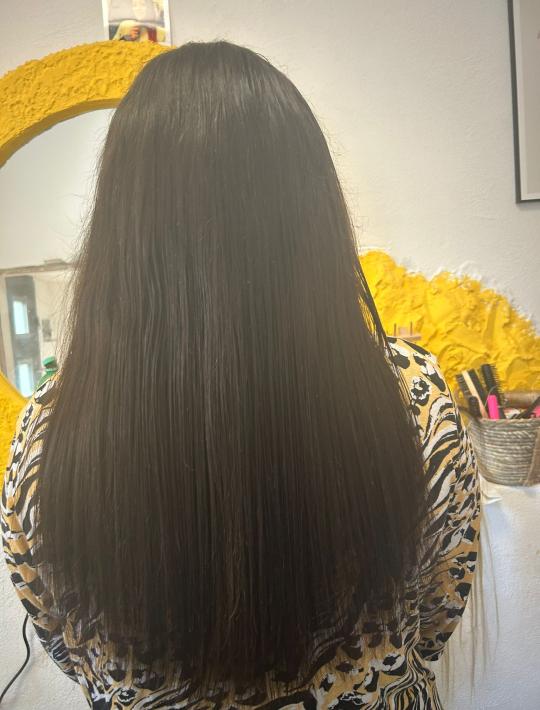
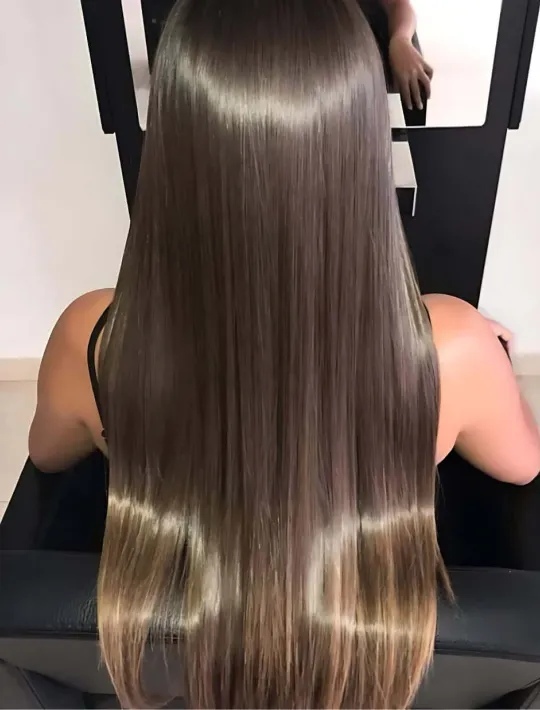
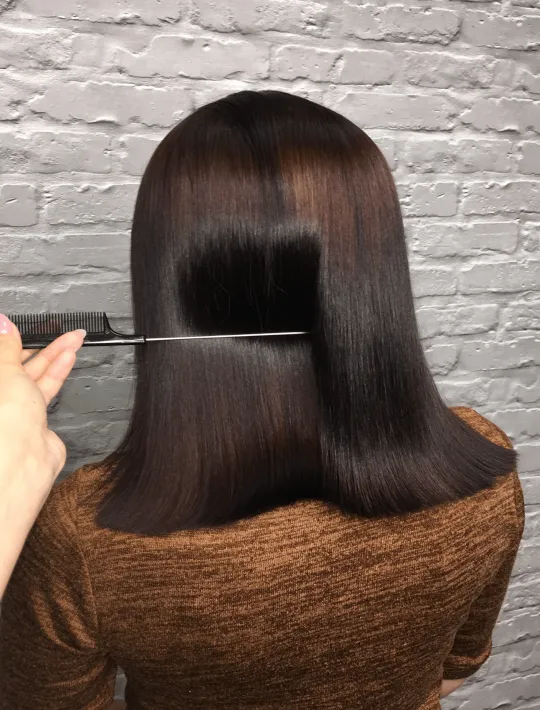
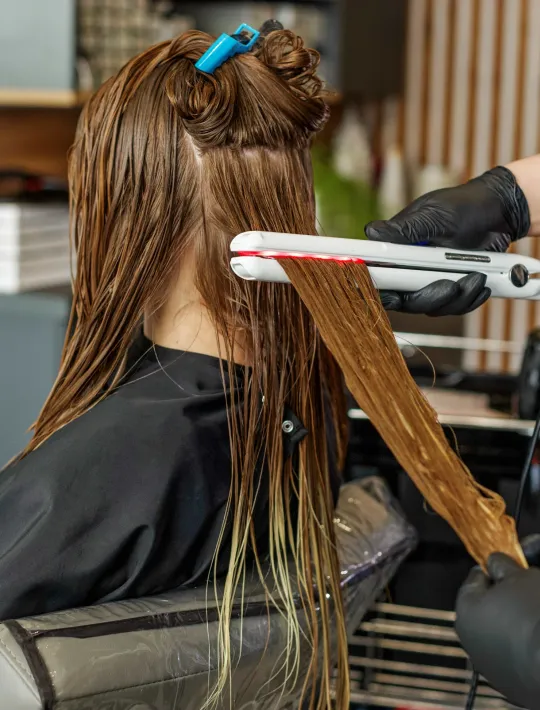
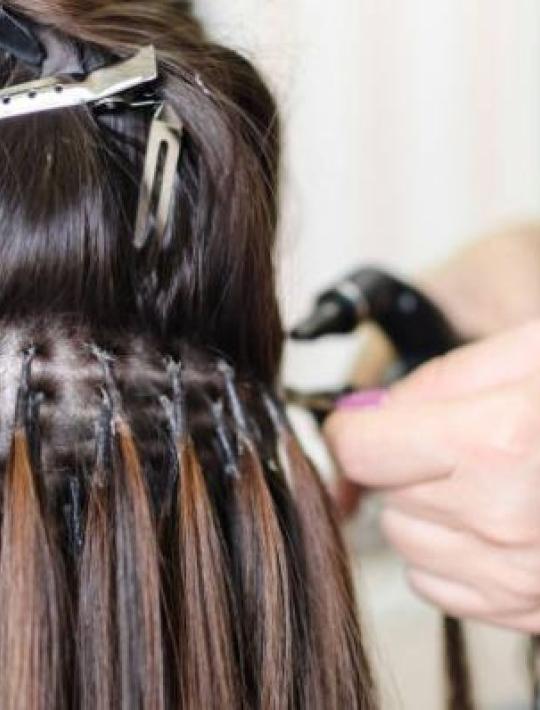
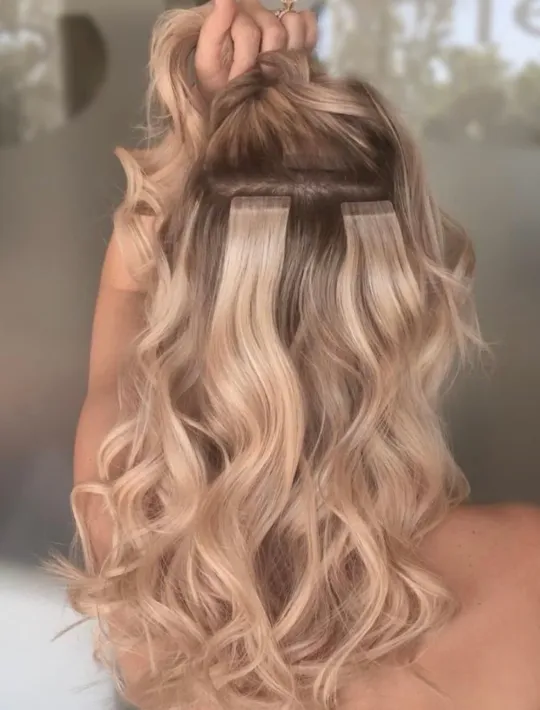
Découvrez notre savoir faire

Sweet service
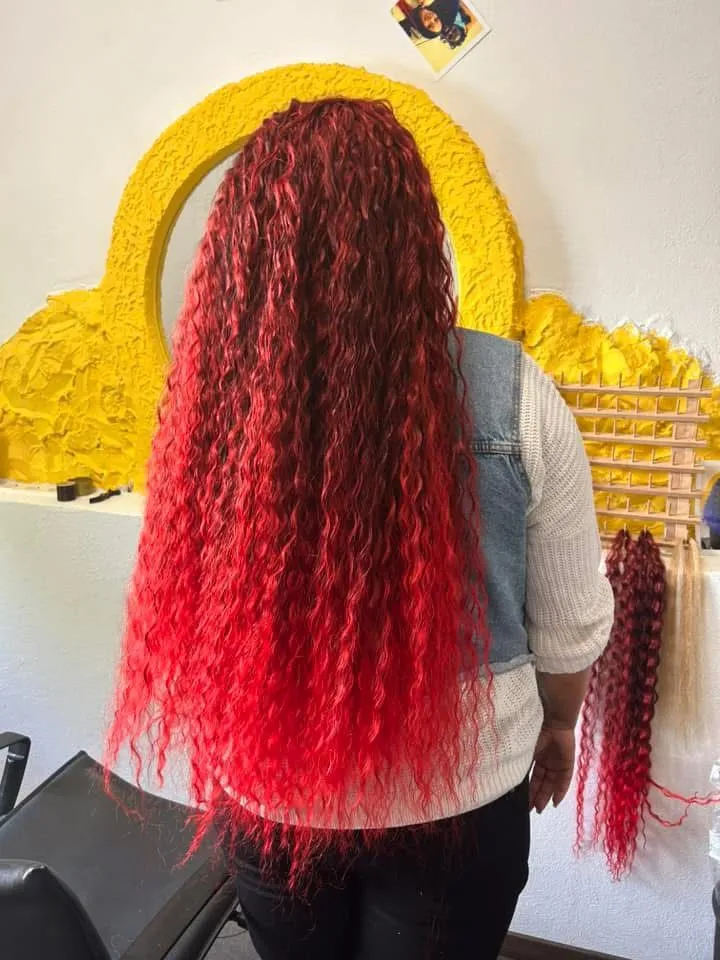
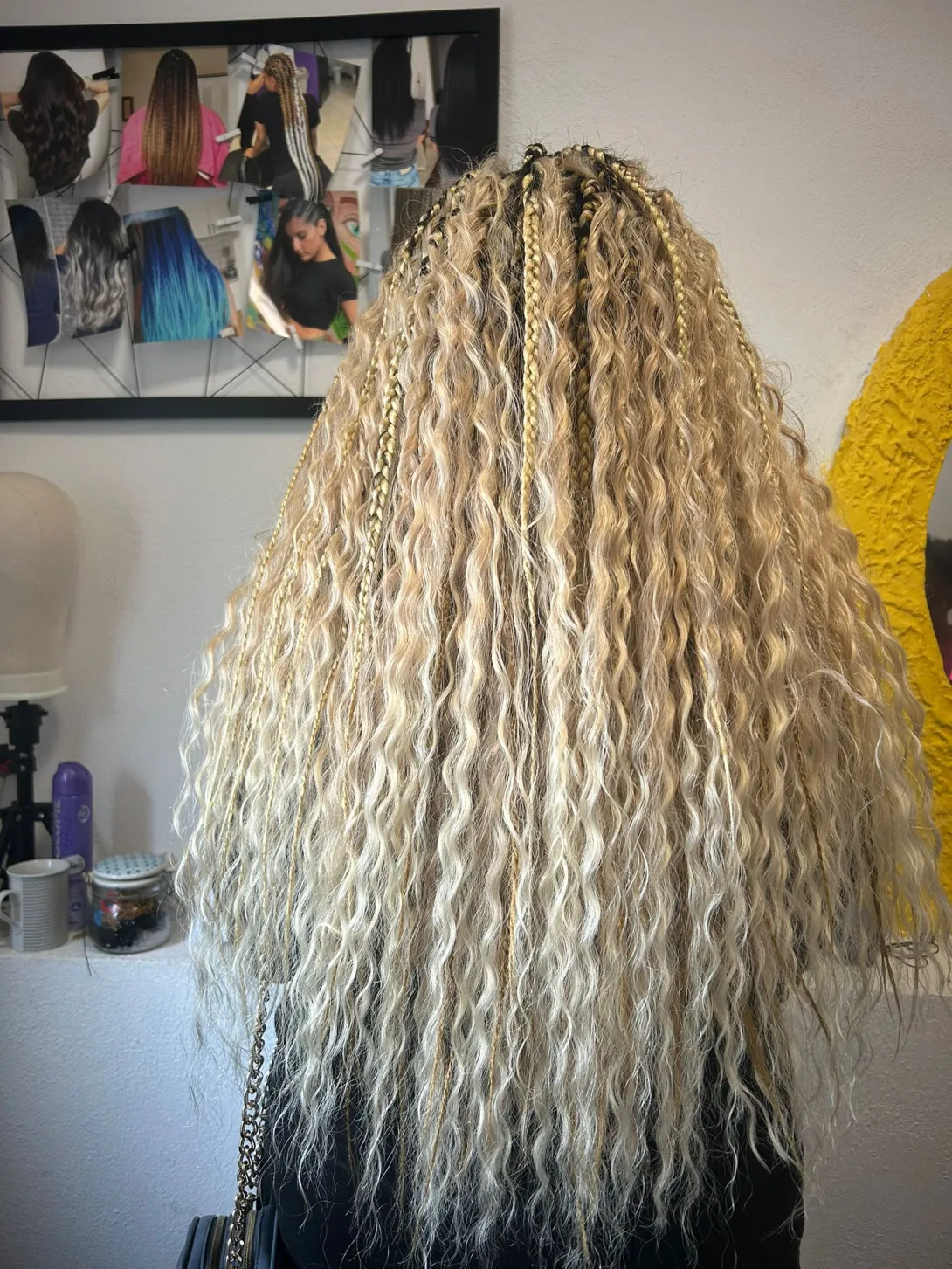
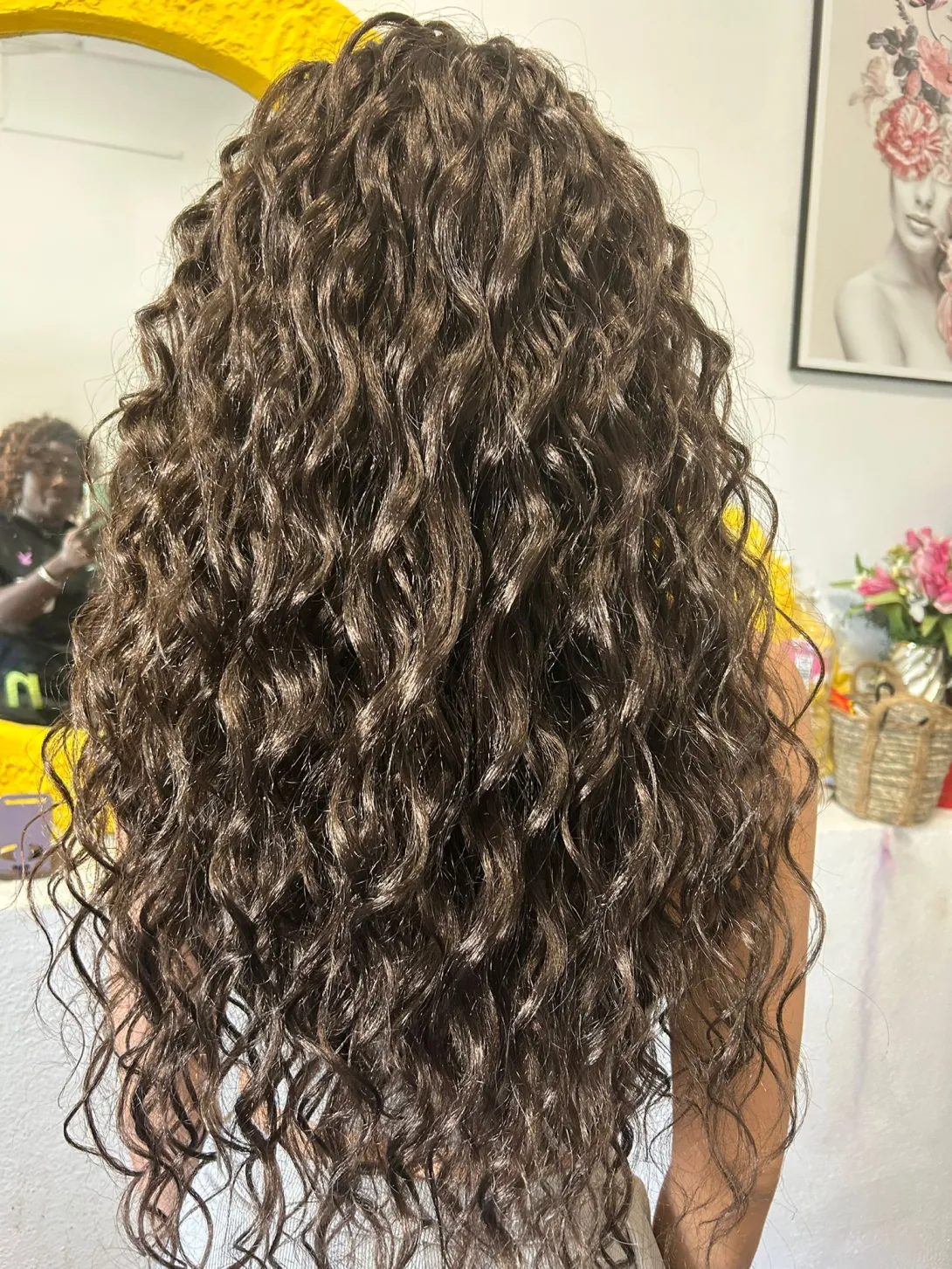
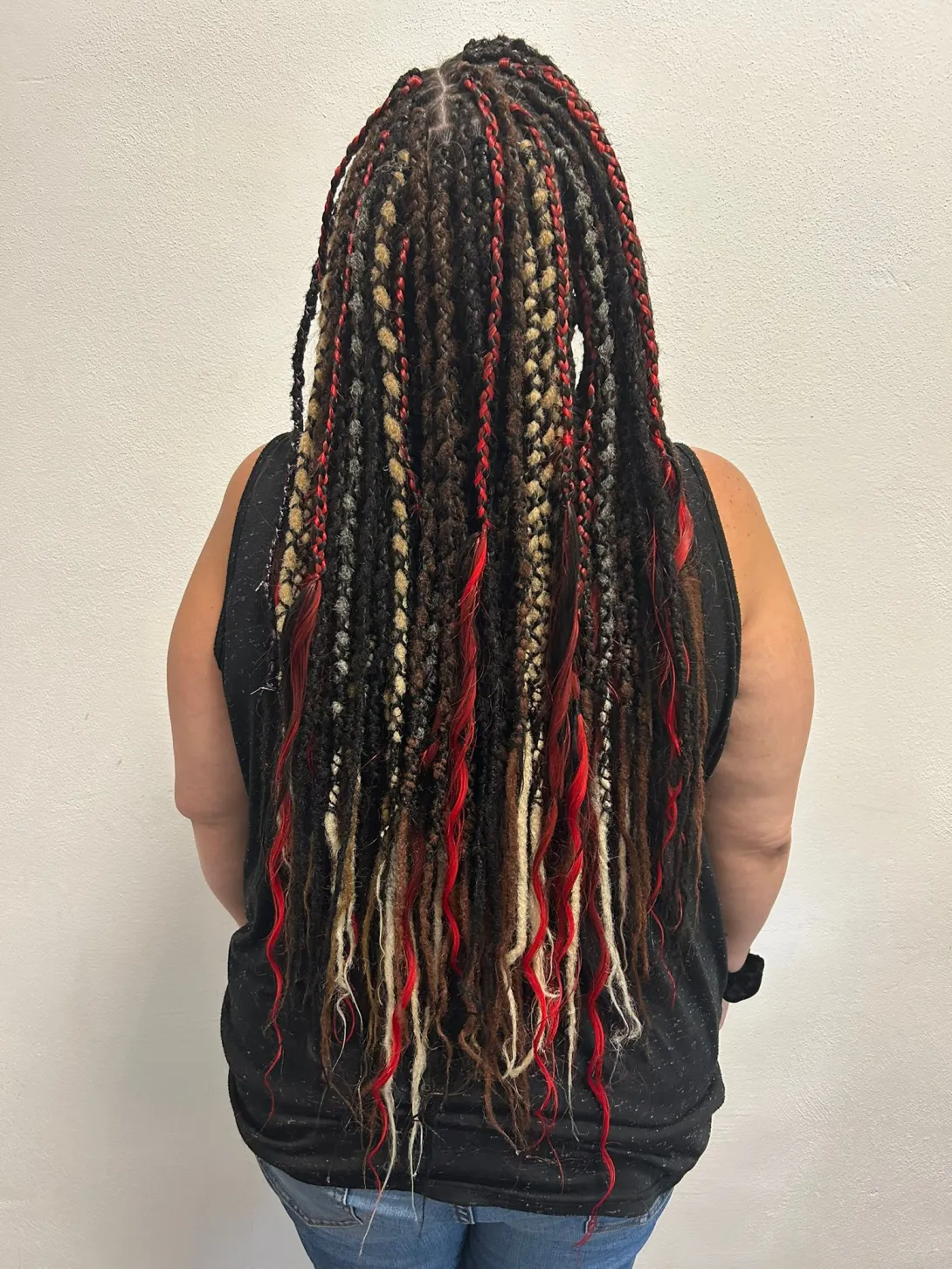
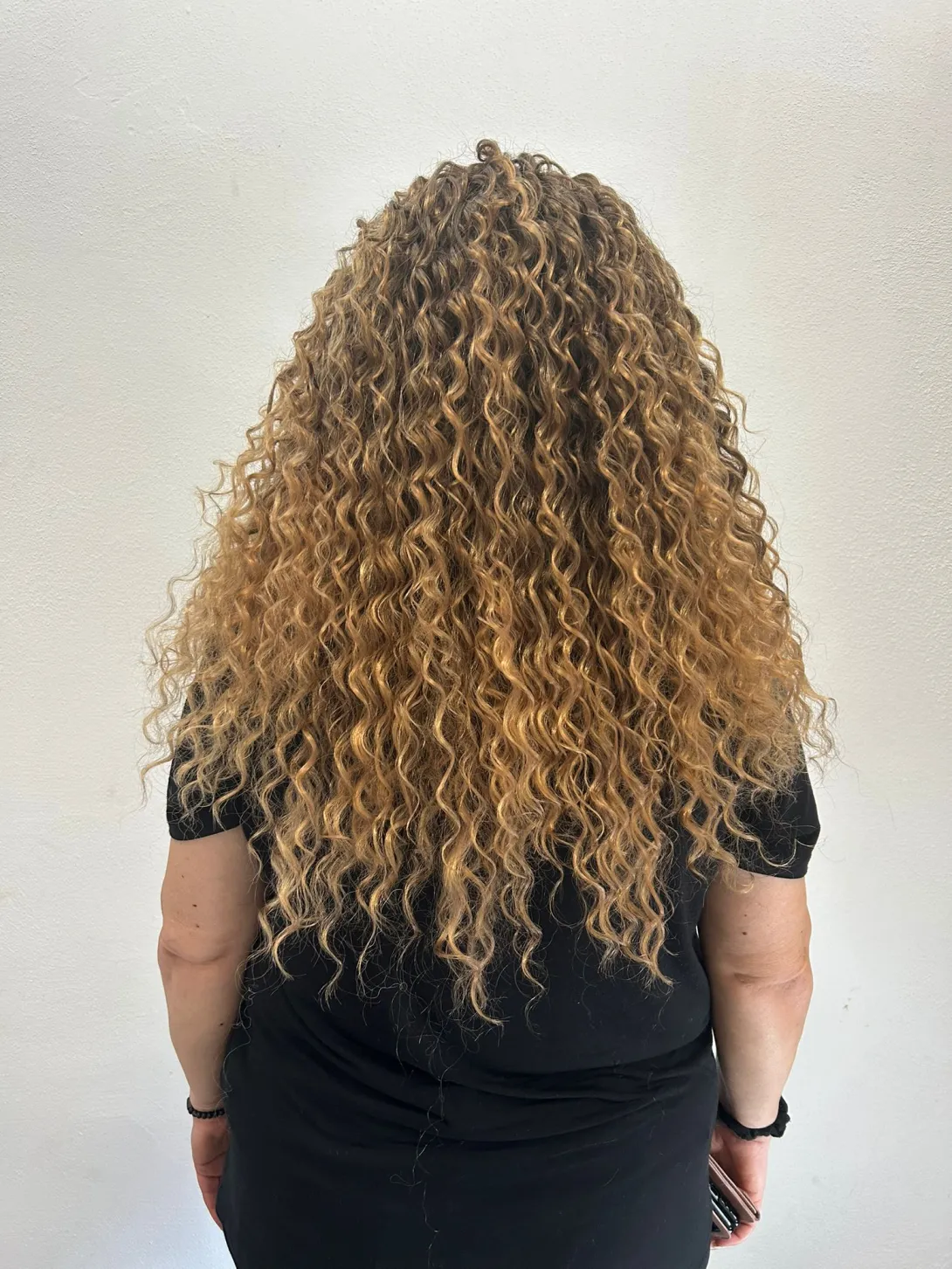
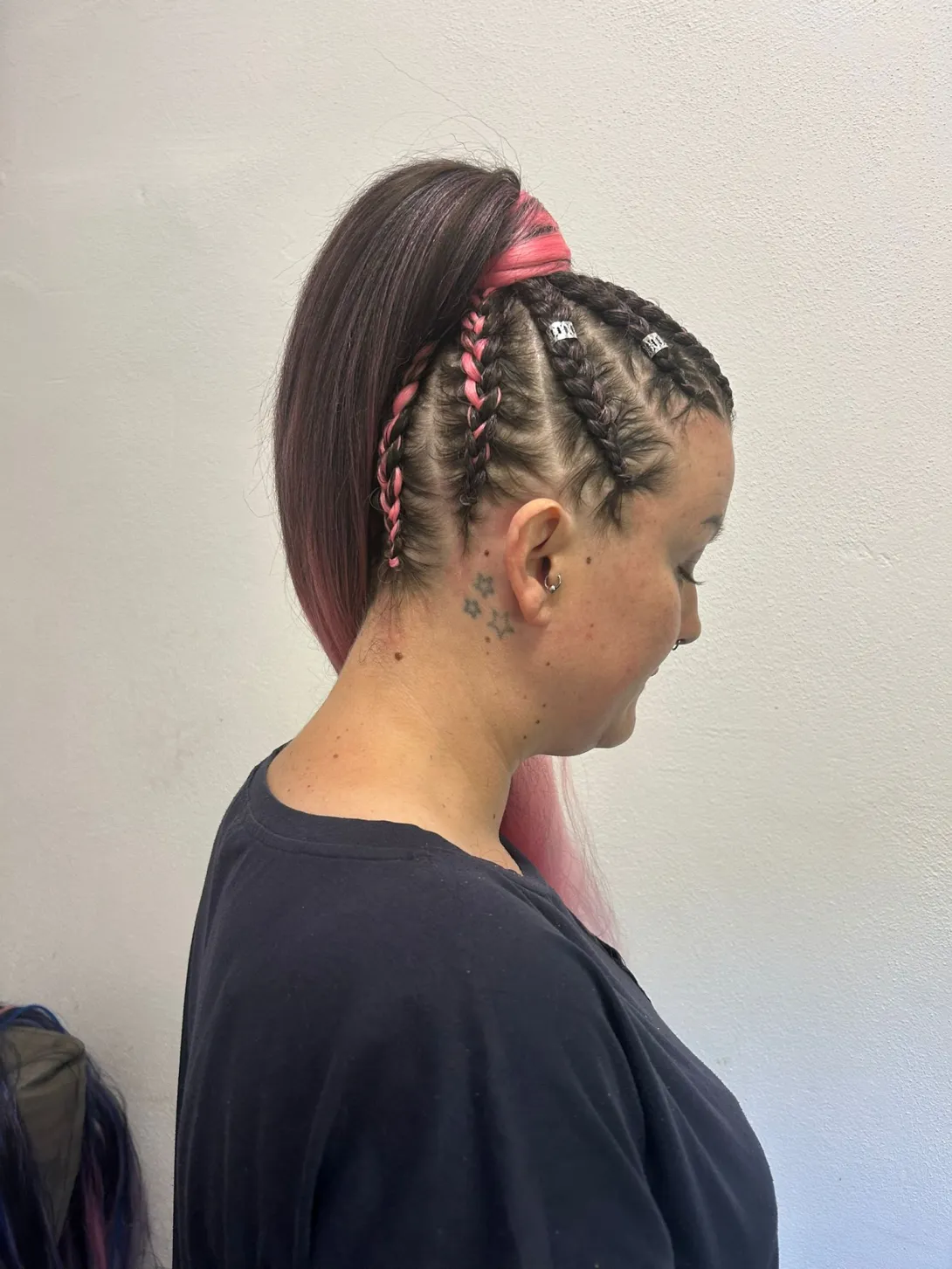
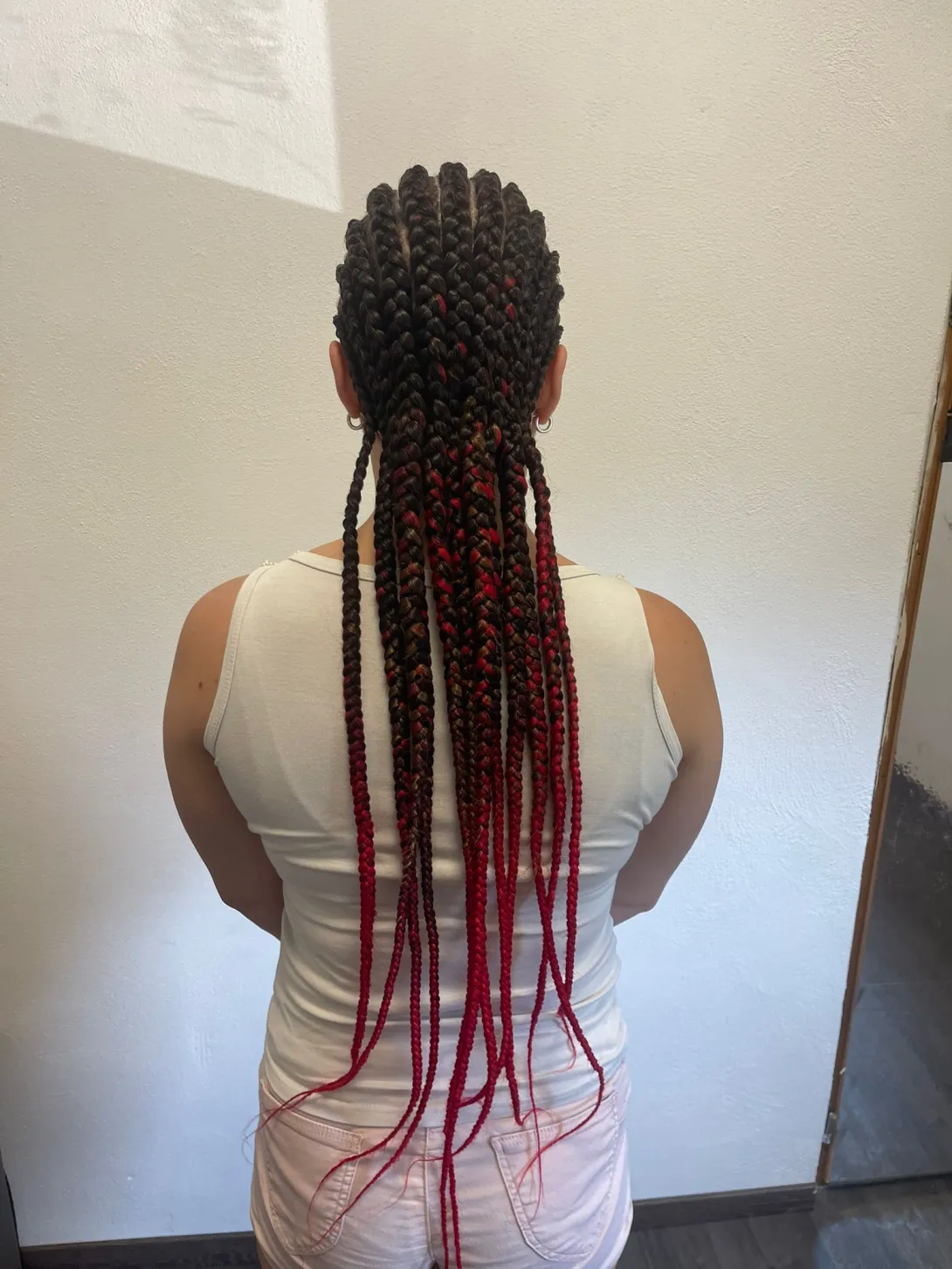
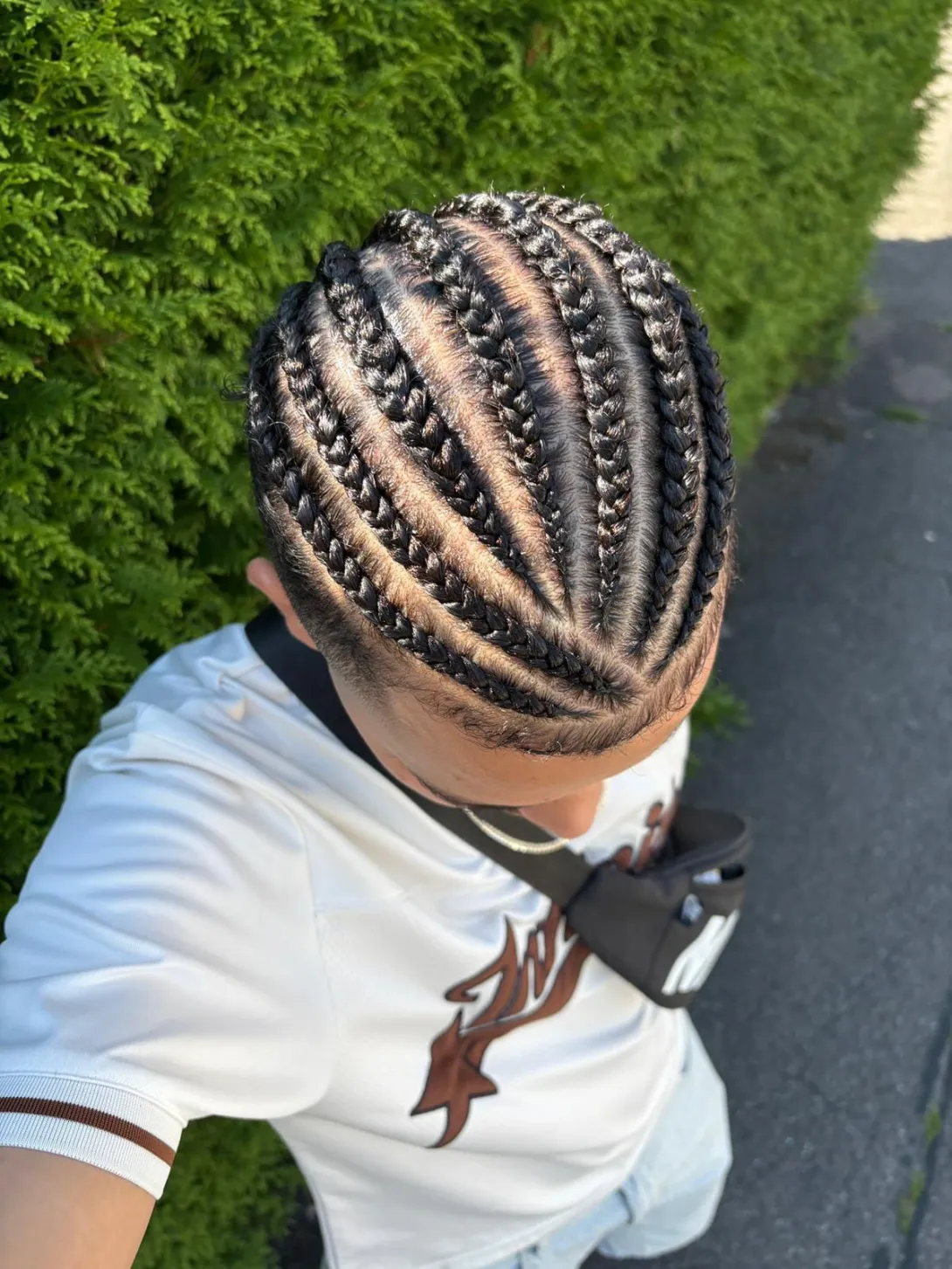
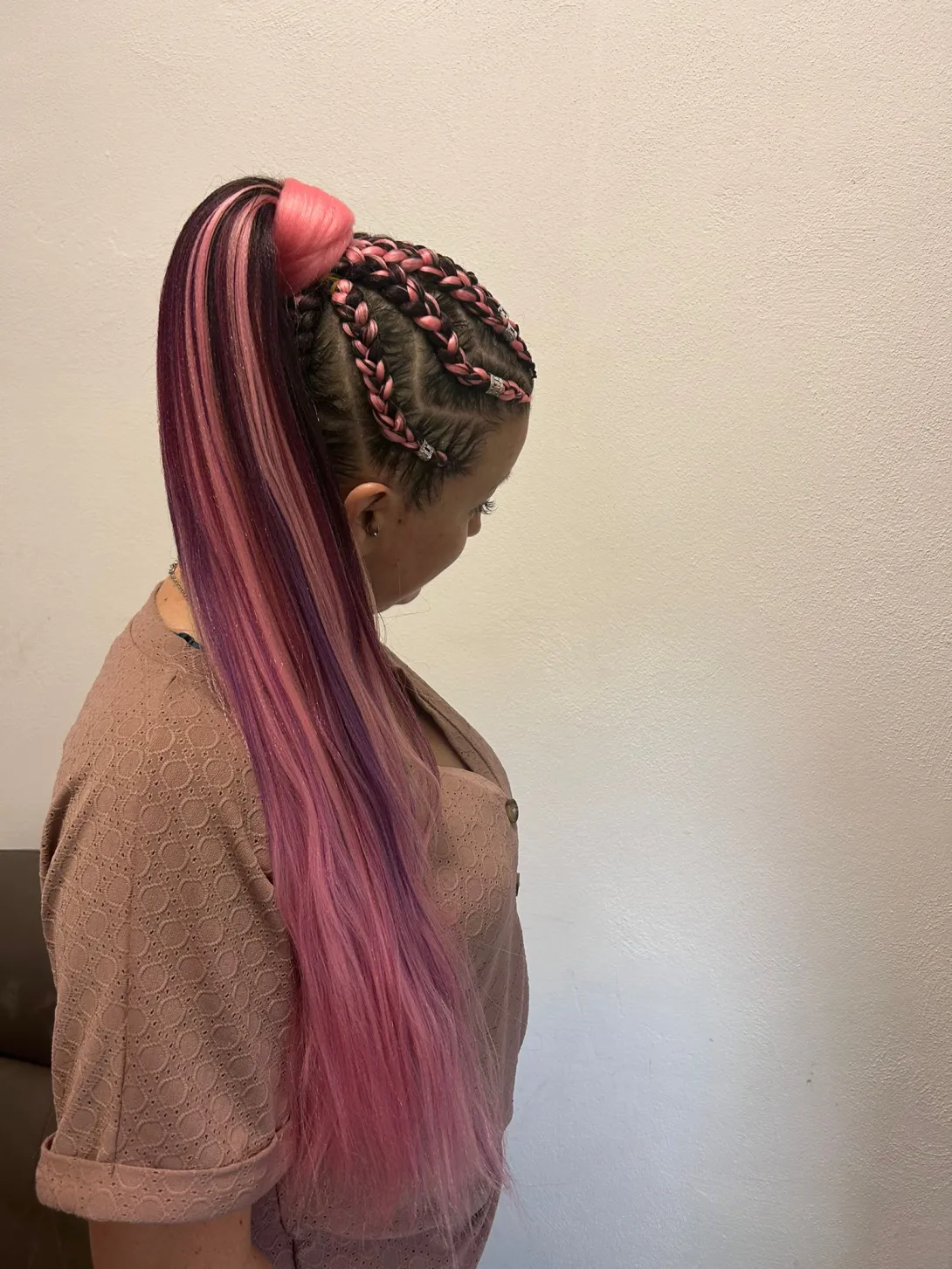
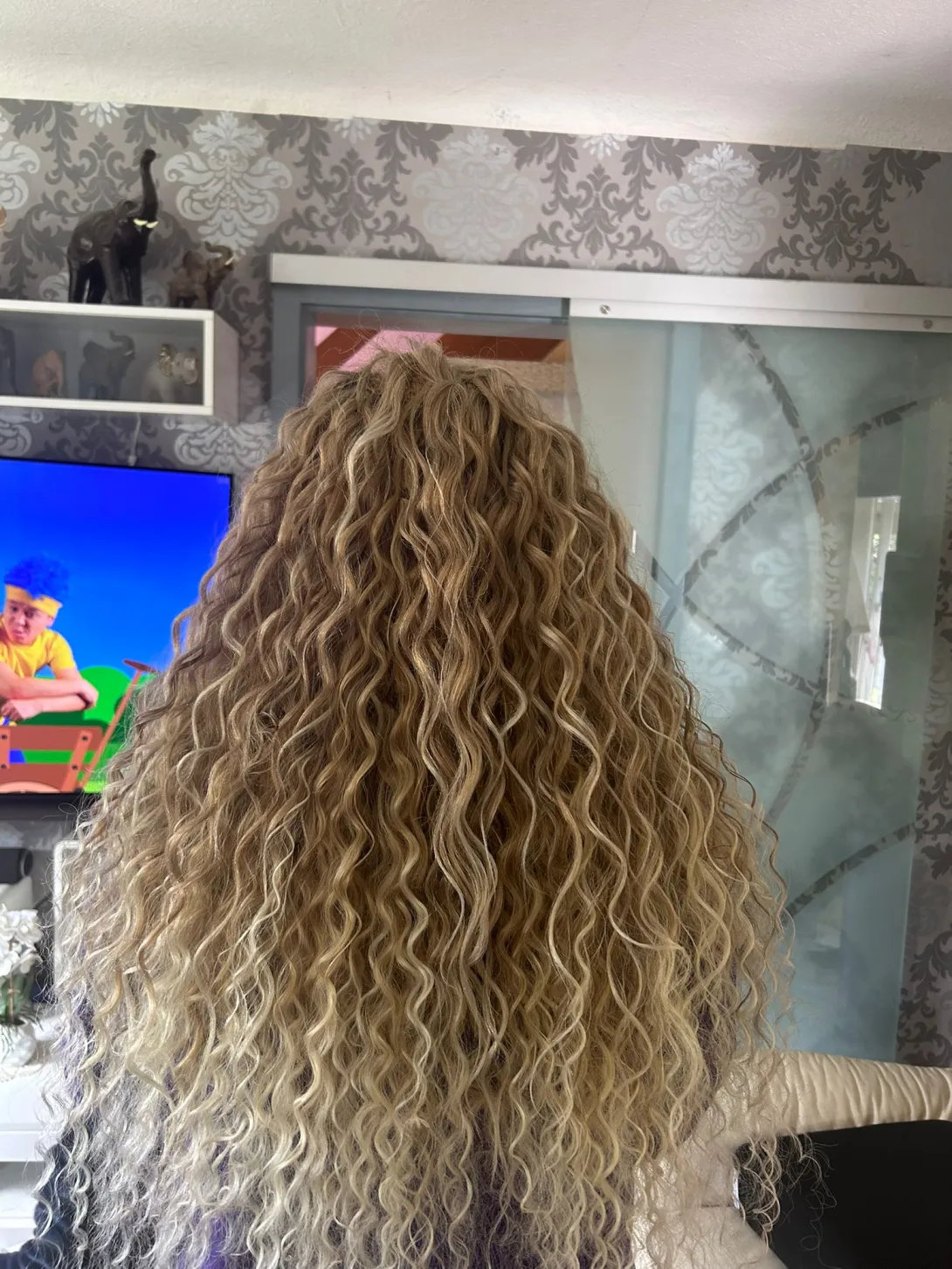
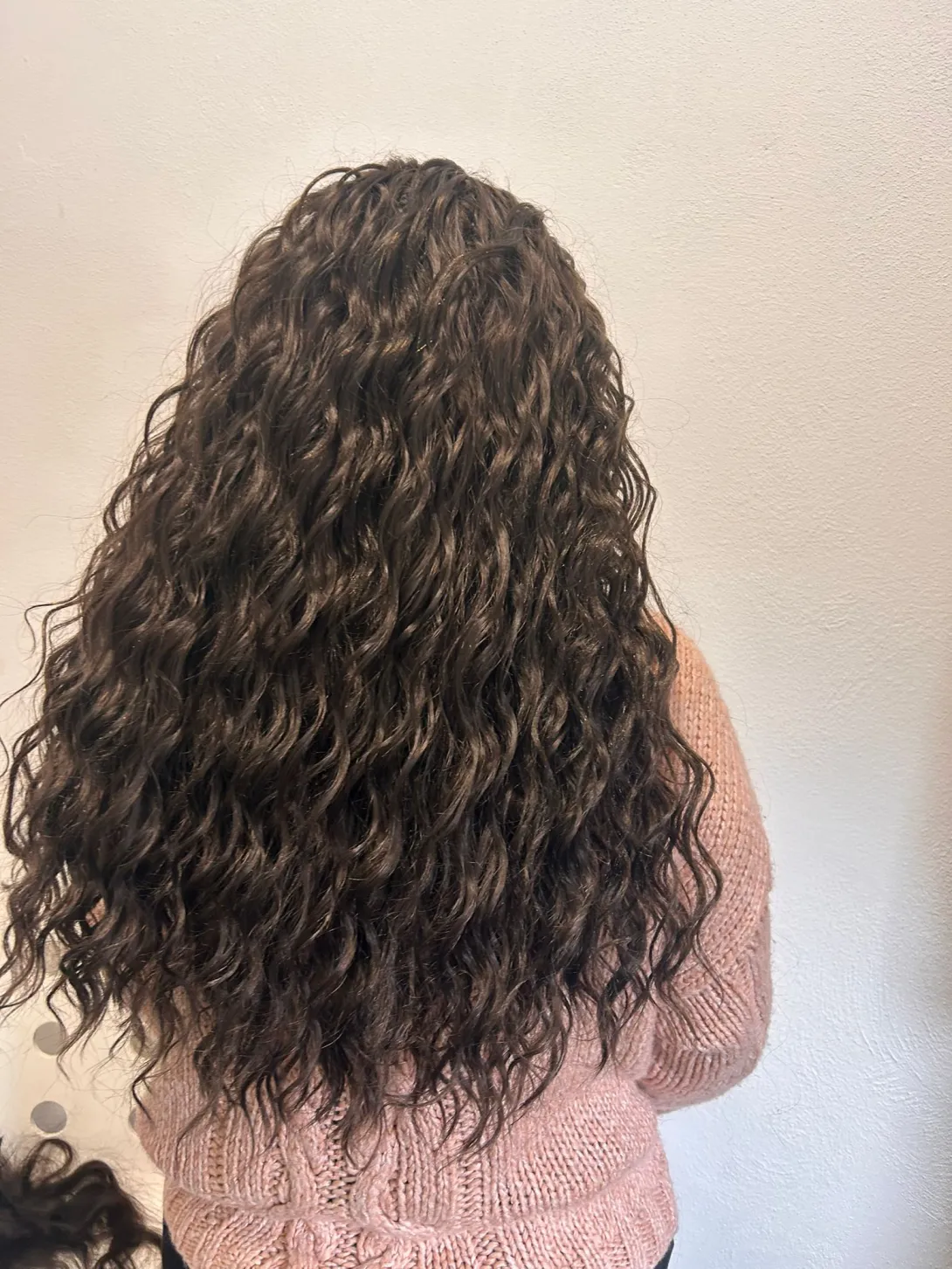
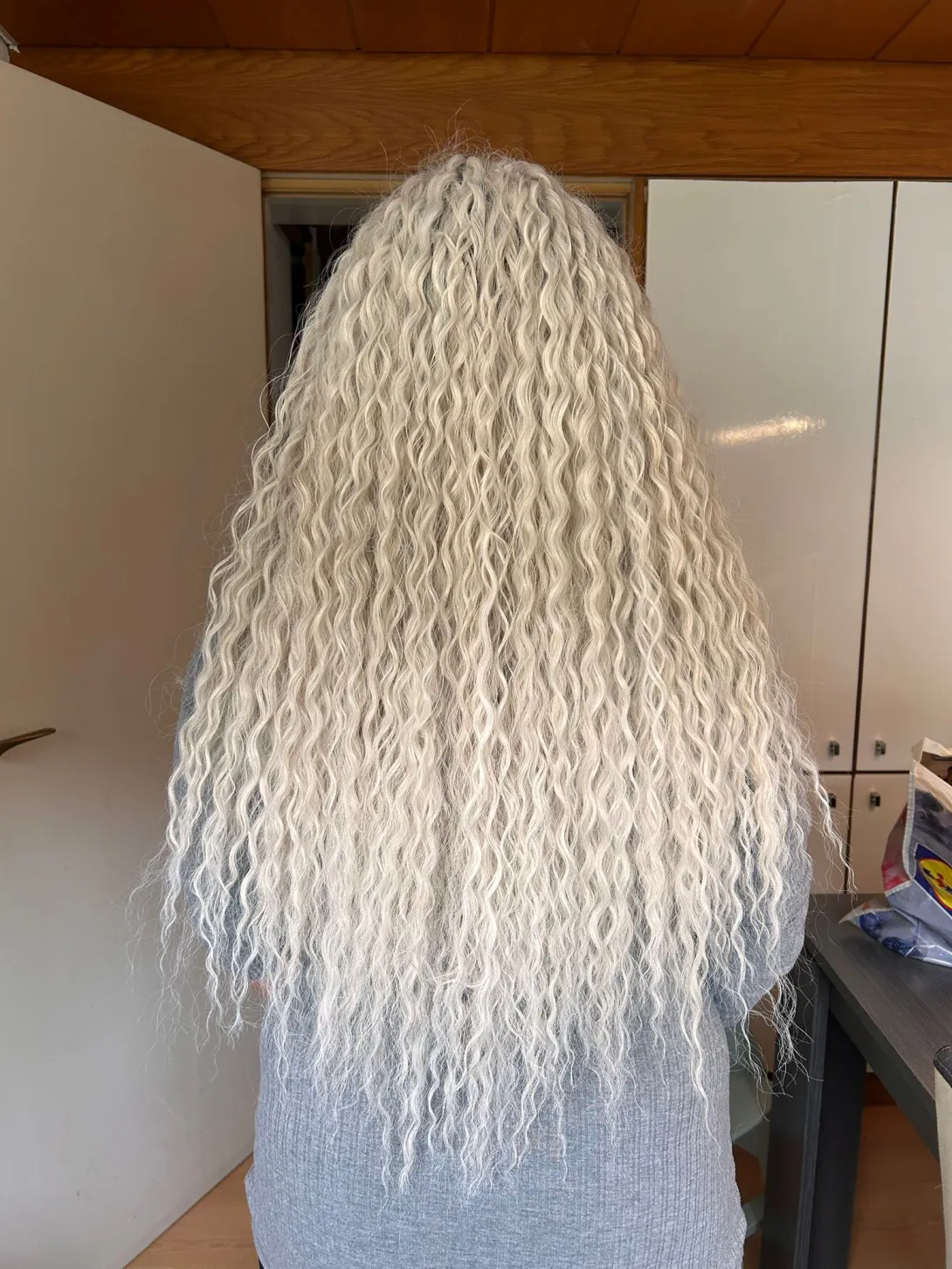
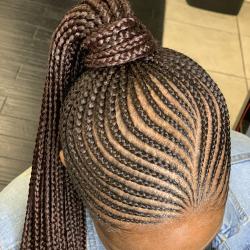
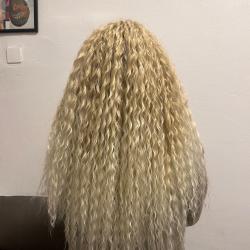
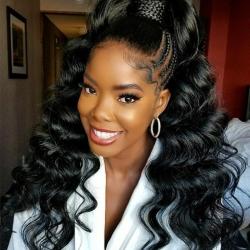
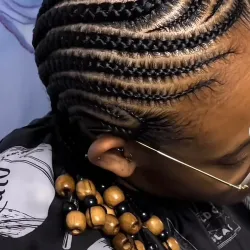
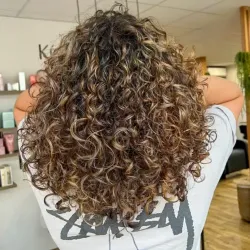
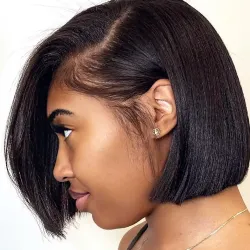
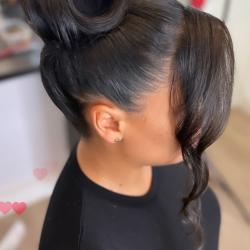
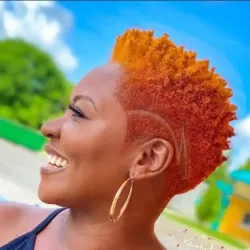
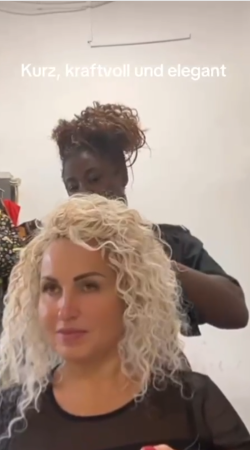
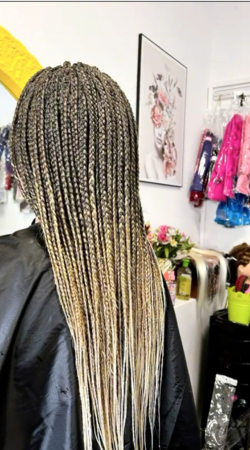
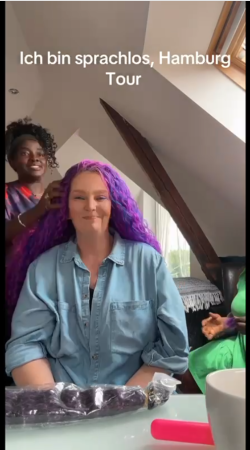
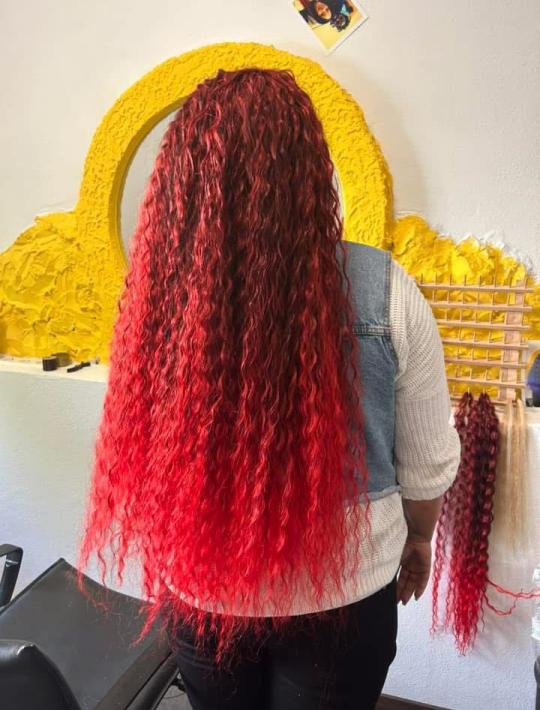
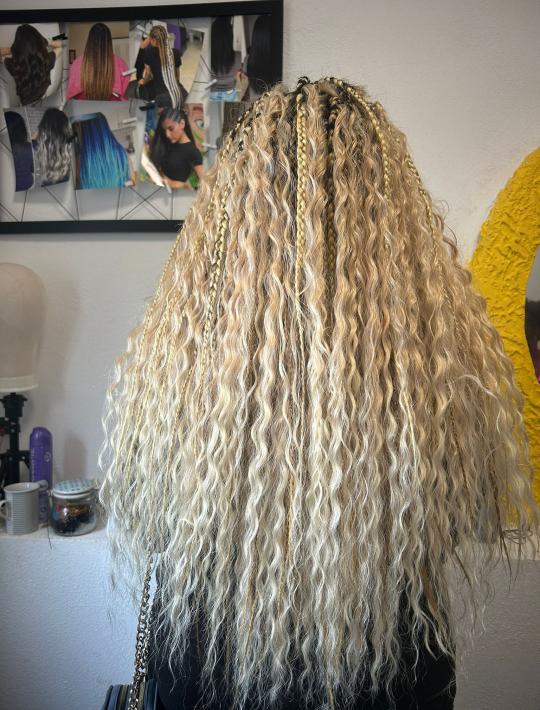
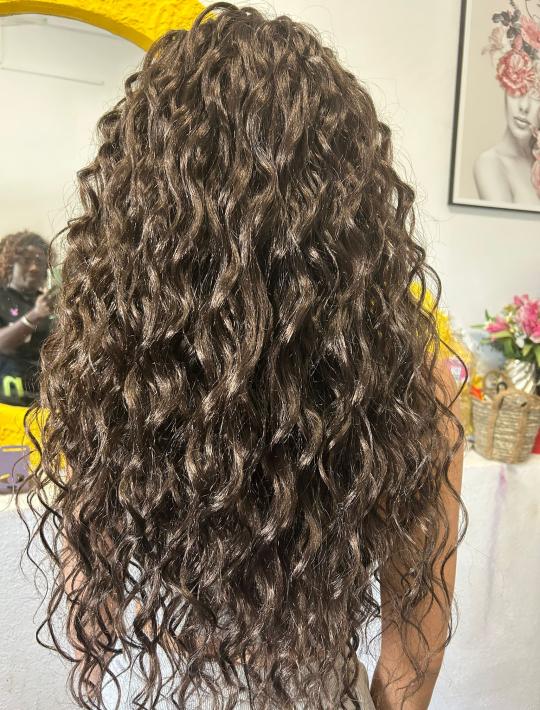
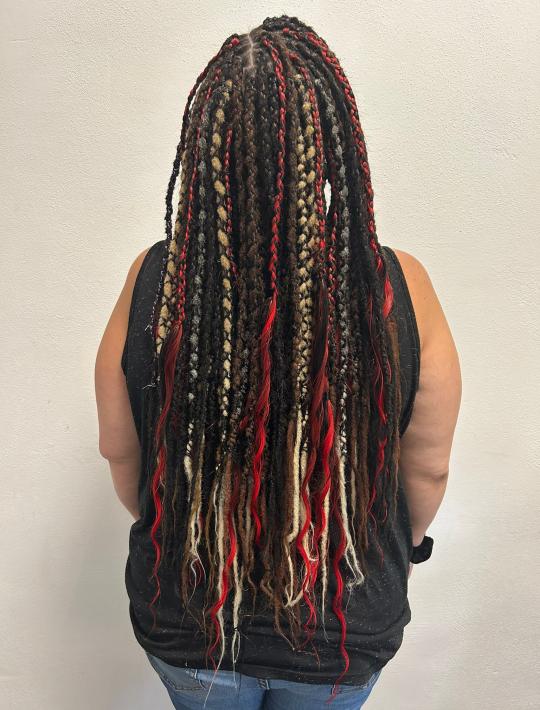
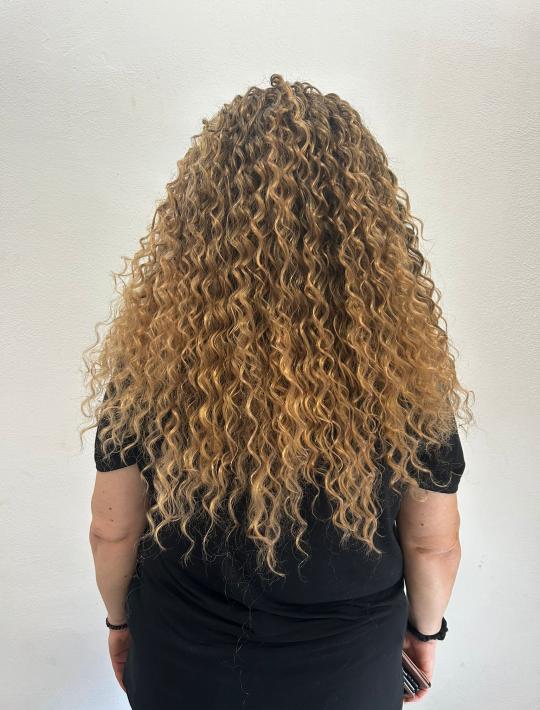
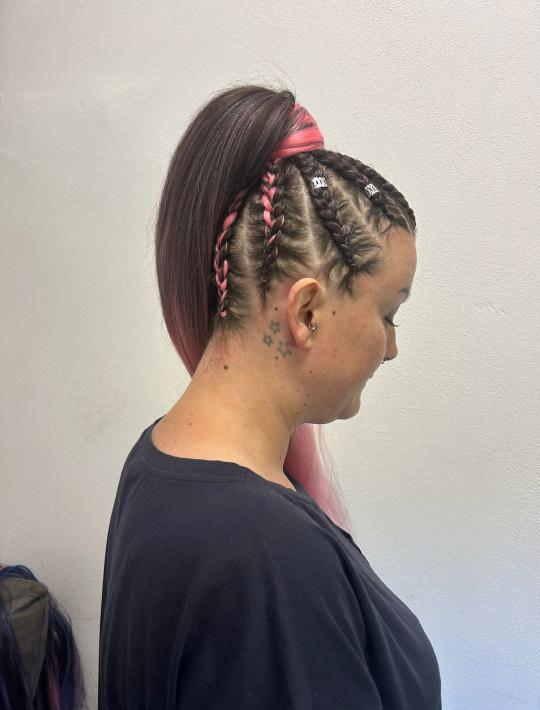
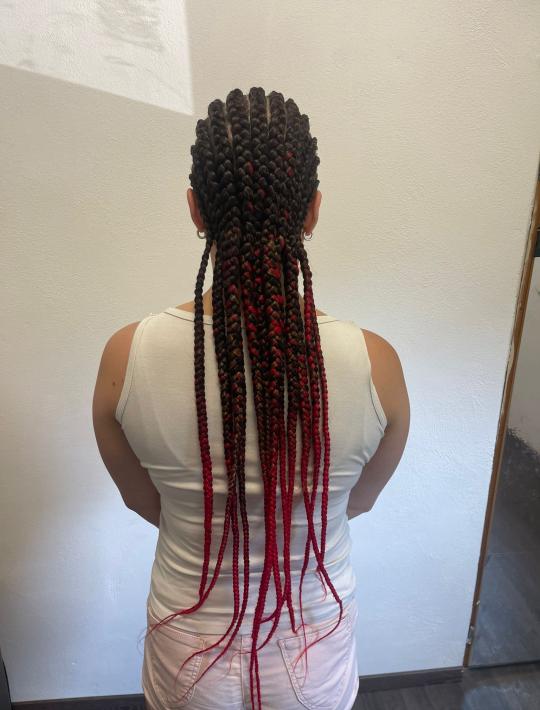
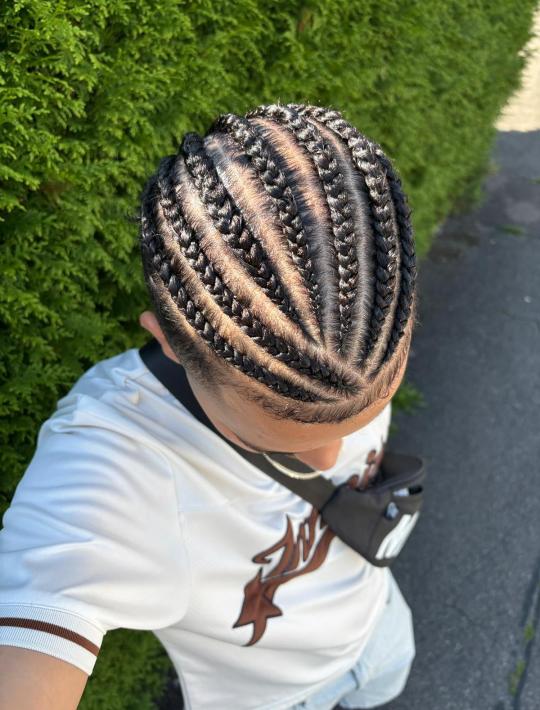
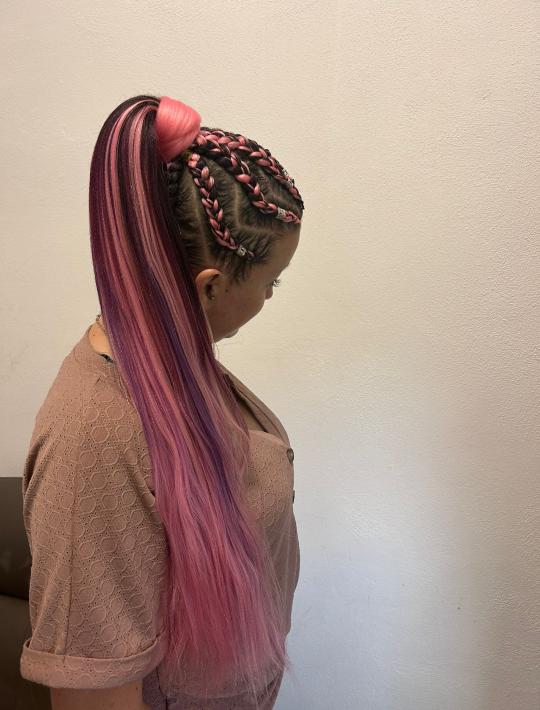
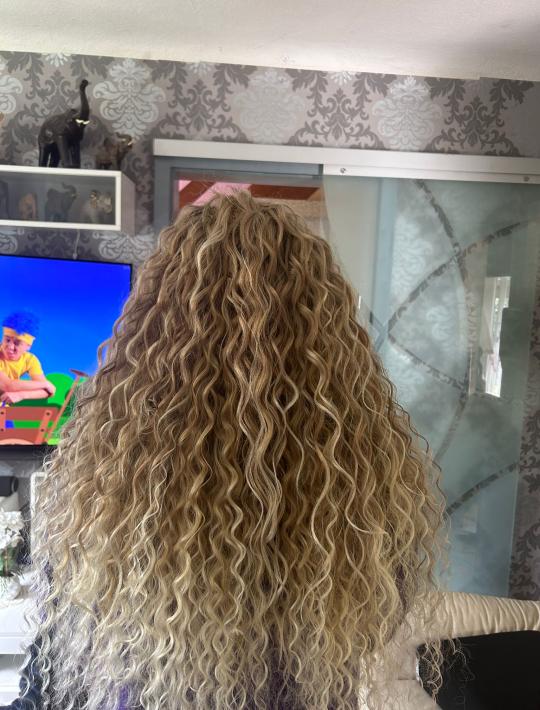
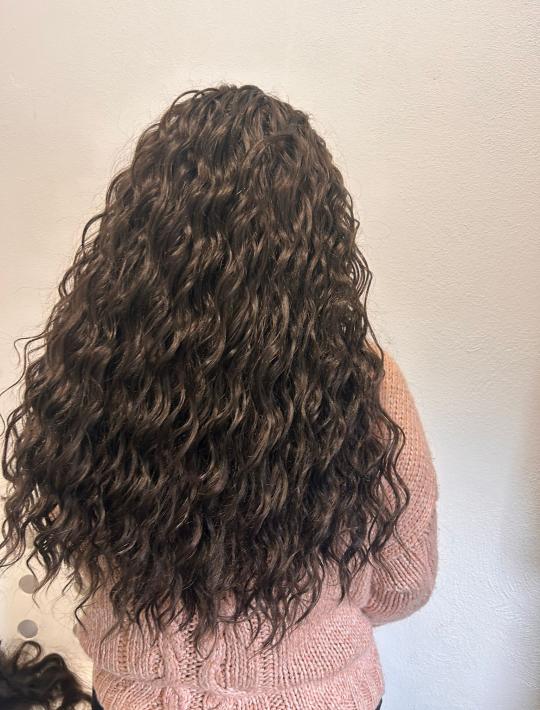
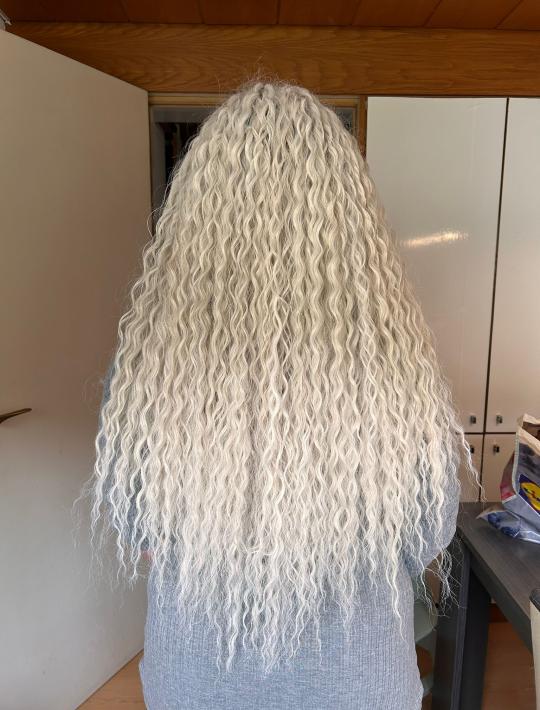
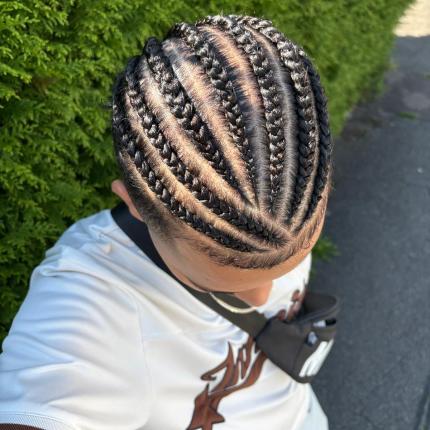
I offer professional Afro curls, cornrows, braids, rasta braids, boxer braids, real hair and synthetic hair extensions. Every customer request is close to my heart, and I do everything I can to guarantee aesthetic results and maximum satisfaction.For me, hairstyling is not just a job – it is passion, creativity and joie de vivre all rolled into one.
why choose us

We'll let you decide
- Experienced and passionate hairdressers
- Personalised services tailored to your style
- High-quality professional products
- A warm and relaxing atmosphere
- Impeccable hygiene in the salon and with all equipment
- Personalised advice on how to care for your hair
Pourquoi nous sommes les meilleurs
Pourquoi nous sommes les meilleursNous sommes experts dans de nombreux domaines

Kostenlose Beratung
Nutzen Sie eine kostenlose Beratung

erfahrene Friseure
Geschultes Personal, um Ihnen den bestmöglichen Service zu bieten

Rechnungen online bezahlen
Sicheres Bezahlen mit einer Kreditkarte
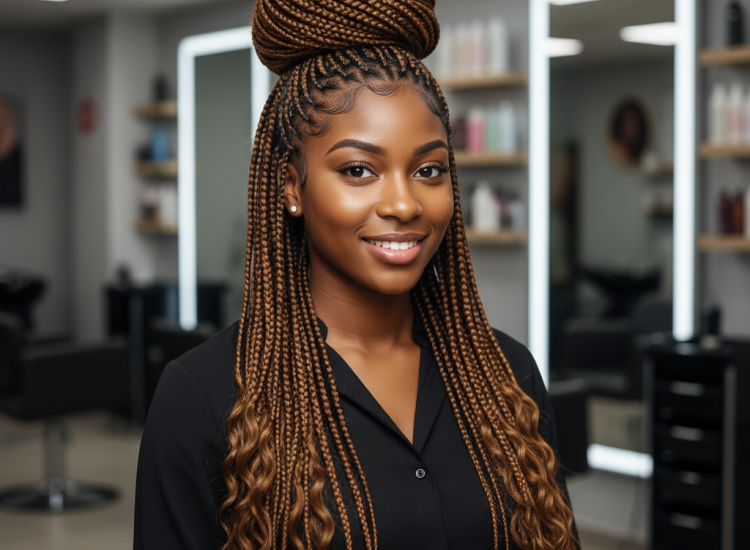
Braids are not just a hairstyle; they are an art form, a cultural heritage and, above all, an essential protective solution for the health of your hair, especially if it is frizzy, curly or kinky.
From timeless classics to the most daring styles, discover why braids are always the best option for combining style, growth and ease of maintenance.
I. Braids: an essential protective hairstyle
The main advantage of braids is their protective role. They help to:
- Reduce breakage: By keeping your hair tightly secured, braids limit daily manipulation (brushing, styling, friction from clothing), which are the main causes of breakage in textured hair.
- Promote length retention: Less breakage means your hair retains the length it gains, allowing for visible growth after the braids are removed.
- Protect against the elements: They insulate the hair fibre from external aggressions such as cold, wind, pollution and sun.
II. The most popular and trendy types of braids
There are a multitude of braiding techniques, each offering a different look and duration:
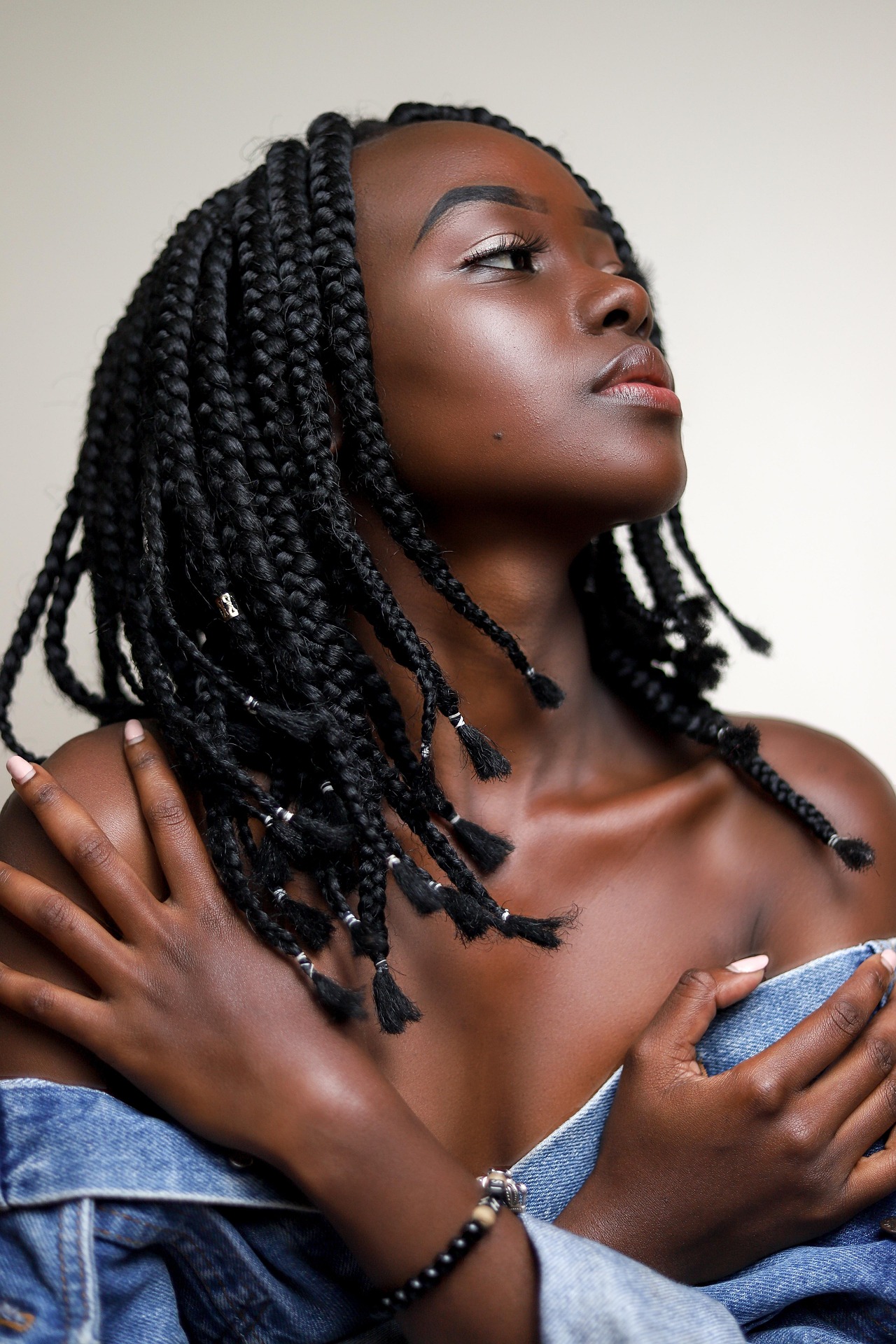
1. Classic African braids (Box braids)
- Description: Individual braids divided by square sections (or ‘boxes’). They are often made with synthetic strands to add length, volume and colour.
- How long they last: 4 to 8 weeks.
- The plus: Extremely versatile, they allow for endless styling options (updos, ponytails, loose hair).
2. Cornrows
- Description: Braids made directly on the scalp. They can be simple, straight, or form complex geometric patterns.
- How long they last: 2 to 4 weeks.
- The plus: They offer a neat and clean look. Ideal for sports or under a hat.
3. Feed-in braids
- Description: A variation on cornrows where the synthetic strand is added gradually at the base, rather than from the start.
- Advantage: This technique avoids the ‘big knot’ effect at the root and reduces tension, giving a more natural look and better protection for the temples.
4. Senegalese twists
- Description: Instead of braiding the strands, they are twisted. The result is looser and creates a springy effect.
- The plus: Very light and quick to do, they offer spectacular movement and shine.
III. Essential care for your braids
Having braids does not mean you should neglect your hair! Proper care is essential to prevent breakage and itching:
- Scalp hydration: Use a light moisturising spray or oil daily to soothe the scalp and prevent dryness under the braids.
- Targeted cleansing: Cleanse your scalp once a week (or every two weeks) with dry shampoo or micellar water. Focus on the spaces between the braids to prevent residue build-up.
- Night-time protection: Always sleep with a satin or silk bonnet or pillowcase. This reduces friction and prevents strands from drying out or fraying prematurely.
- Limited duration: Never keep your braids in for more than 8 weeks, especially box braids. Leaving them in for too long can lead to excessive product build-up and weak hair when removed.
Your next braiding appointment
Whether it's your first time or a change of style, braiding requires precision and respect for your hair's natural tension. Our experts are trained in the safest techniques to ensure flawless, long-lasting results without damaging your roots.
Ready to change your look while protecting your hair? Book an appointment
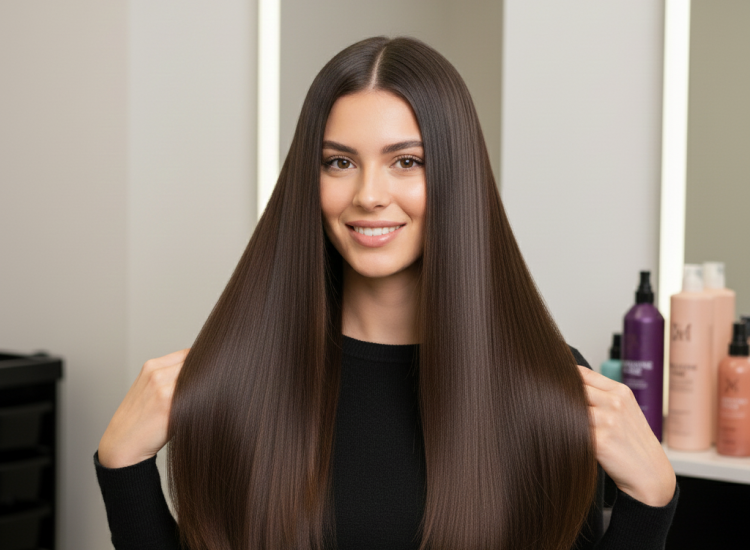
The dream of smooth, silky, easy-to-style hair is a reality for many thanks to various hair straightening techniques. But with so many options available (Brazilian, Japanese, tannin, Korean, etc.), it's easy to get confused! Which straightening technique is right for you? What are the benefits and specific maintenance requirements for each technique?
Let's take a closer look at the world of straightening to help you make the best choice.
I. The main types of straightening and how they work
1. Brazilian straightening (straightening treatment)
- How it works: A thermo-active treatment based on keratin. It nourishes the hair, reduces frizz and relaxes curls without completely straightening them.
- Duration: 3 to 6 months.
- Who is it for? Damaged, dry, curly, wavy or frizzy hair. Ideal for those who want to reduce volume and have more supple hair.
2. Japanese straightening (permanent straightening)
- Mechanism: Uses plant polyphenols (tannins) to create a chain of molecules inside the cortex. It is an organic method that does not use harsh chemicals.
- Duration: 4 to 8 months.
- Who is it for? All hair types, including the most sensitive or highlighted hair. Perfect if you are looking for long-lasting straightening without weighing your hair down.
3. Lissage Japonais (Lissage Permanent)
- Mechanism: This is a permanent straightening treatment that alters the structure of the hair (breaks internal bonds) to make it permanently straight.
- Duration: Permanent (the client will only return to have new growth straightened). Root regrowth.
- Who is it for? Very curly, frizzy or kinky hair. Not recommended for very fine, sensitised or bleached hair.
4. Korean straightening
- Mechanism: Similar to Japanese straightening, but uses a formula enriched with conditioning agents. It relaxes curls and adds shine, but does not leave hair as straight as Japanese straightening.
- Duration: Permanent (the client will only return to smooth new growth). Root regrowth.
- Who is it for? Wavy to curly hair, for those looking for long-lasting smoothing with more flexibility than the Japanese method.
II. The major benefits of straightening
- Reduced frizz: This is the most immediate and appreciated benefit, especially with Brazilian and tannin straightening.
- Time saving: Daily styling is considerably reduced. A simple blow-dry is all it takes for flawless results.
- Shine and softness: Keratin or tannin-based treatments coat the hair fibre, close the cuticles and reflect light better.
- Hair fibre health (for non-permanent straightening): Brazilian or tannin straightening acts as a deep treatment that repairs and nourishes the hair from within.
III. Essential maintenance for long-lasting results
To ensure your straightening treatment lasts as long as possible and retains its shine, maintenance is crucial:
- Say no to sulphates! Be sure to use shampoos that are free from sulphates (SLS/SLES) and sodium chloride. These chemicals dissolve and remove the straightening product (keratin/tannin) from the hair fibre.
- Wash less, care more: Space out your shampoos and use a mask or conditioner rich in keratin or tannin once a week.
- Say goodbye to salt water and chlorine: Salt and chlorine damage the straightening treatment. Protect your hair and rinse it immediately after swimming.
- Hairdryer required (for Brazilian straightening): After washing, use a hairdryer. Heat is essential to reactivate the straightening agents in Brazilian straightening treatments.
- Root maintenance (permanent straightening): For Japanese or Korean straightening, only the regrown hair will be treated at your next appointment, so as not to damage the lengths that have already been straightened.
Our expert advice
Whatever type of straightening you are considering, the first step is always the same: a hair diagnosis. Come and see us! We will analyse the nature of your hair (porosity, thickness, history) to guide you towards the technique that will guarantee the desired result without compromising the health of your hair.
Ready to say goodbye to frizz? Make an appointment